
RTX 50-Series GPUs Face a Third Price Hike of 2026, Up to 30% More
A report from Taiwan's Economic Daily Times says NVIDIA's entire RTX 5000 lineup could cost consumers 20 to 30 percent more, with broader PC hardware sales expected to drop 10 to 20 percent as a result.
A Third Strike on Your Wallet
If you have been waiting for GPU prices to settle down before upgrading your rig, the news out of Taiwan this week is not going to make your day. According to a report by the Economic Daily Times, as covered by TechPowerUp on July 30, NVIDIA’s RTX 50-series graphics cards could be heading for yet another price increase of 20 to 30 percent. This would mark the third price hike for NVIDIA in 2026, and unlike some previous rounds of increases, this one is expected to hit the entire RTX 5000 lineup, not just the flagship cards.
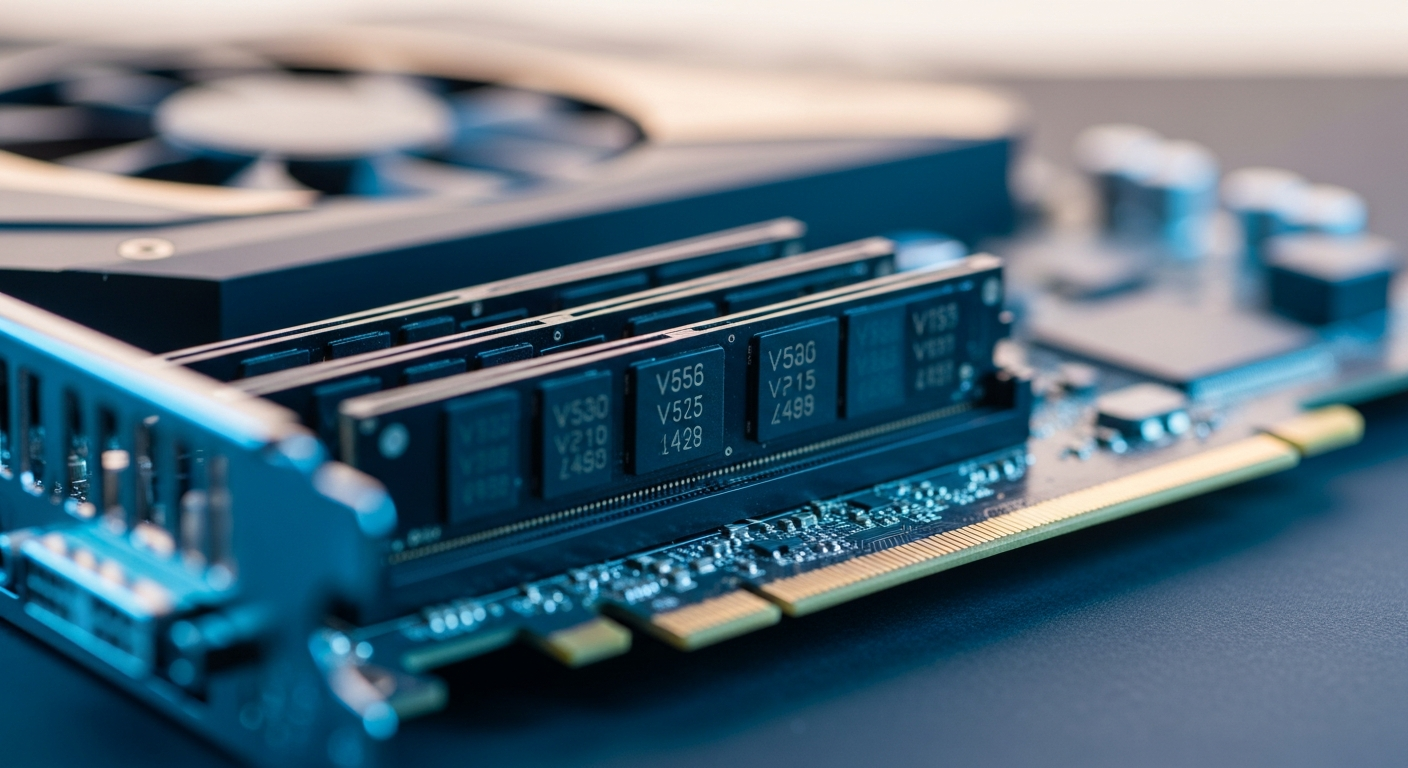
The driving force behind these increases remains the same story that has been building all year. The AI industry’s enormous appetite for DRAM has cascaded through the supply chain, pushing up the cost of the memory that also ends up inside gaming GPUs. NVIDIA sells GPU kits to OEMs at prices that reflect those upstream costs, and as TechPowerUp previously reported, that pressure had already been working its way toward consumers before this latest development.
Who Gets Hit Hardest
Not every card in the lineup will feel the same amount of pain. Because DRAM represents a larger slice of the bill of materials for higher-end GPUs, cards like the RTX 5080 and RTX 5090 are expected to absorb steeper dollar increases than entry-level models, unless NVIDIA spreads the cost more evenly across the whole range. Even so, the mid-range is not getting off clean. A commenter on TechPowerUp’s forum raised a pointed question: could the RTX 5070 end up costing more than the RTX 5070 Ti’s original MSRP once all is said and done? Given how the year has gone, it is hard to dismiss that scenario entirely.
Another forum user noted that the RTX 5080 had already been selling above the RTX 5090’s original MSRP in the current market, which tells you something about how far retail prices have drifted from launch day numbers.
The Broader PC Market Fallout
The Economic Daily Times, as reported by TechPowerUp, predicts the cumulative weight of these increases will have a chilling effect on the PC hardware market as a whole, with overall hardware sales expected to decline by 10 to 20 percent. That is a significant projected contraction, and it would ripple well beyond graphics cards into CPUs, memory, and prebuilt systems.
Here is the uncomfortable irony that vendors are counting on: even if unit sales drop, revenue is still projected to rise because the prices themselves are so much higher. Fewer people buy, but those who do buy spend more. It is a dynamic that rewards holding inventory and punishes budget-conscious gamers who were already stretching to afford a mid-range card.
What This Means for PC Gamers Right Now
The practical upshot is that anyone currently sitting on a functional RTX 30- or 40-series card has less reason than ever to feel rushed into an upgrade. The generational performance argument gets harder to make when the price gap between what you own and what you would buy has stretched so dramatically.
There is also a secondary pressure building in the ecosystem. If hardware costs keep climbing while a meaningful portion of consumers stay on older GPUs longer, developers working on PC games face a choice about which hardware baseline to target. That could slow the adoption of features that require newer silicon, though whether it leads to meaningful optimization work or simply thinner system requirements on the box is an open question.
For now, the clearest advice is the most obvious one: if you need a GPU and can stomach the current prices, waiting appears likely to cost you more, not less. According to the Economic Daily Times reporting cited by TechPowerUp, the next wave of increases is expected before the end of 2026, making this one of the more expensive years on record to be a PC gamer who needs a new graphics card.
How much more expensive could RTX 50-series GPUs get?
According to a report by Taiwan's Economic Daily Times, as covered by TechPowerUp, consumers could pay 20 to 30 percent more for RTX 50-series GPUs in the latest round of increases.
Is this the first price hike for RTX 50-series cards in 2026?
No. According to TechPowerUp, this would be the third price hike for NVIDIA in 2026, driven by AI-related pressure on the DRAM supply chain.
Will only high-end GPUs like the RTX 5090 be affected?
The report indicates the entire RTX 5000 lineup is affected, though higher-end models may see steeper increases since DRAM makes up a larger share of their bill of materials costs.
What effect could these price increases have on PC hardware sales overall?
The Economic Daily Times, as cited by TechPowerUp, predicts a 10 to 20 percent decline in overall PC hardware sales, though hardware vendors are still expected to see higher revenue because of the elevated prices.