Tribal Gaming's Federal Watchdog Is Paralyzed Without a Chair
The National Indian Gaming Commission has gone months without a chairperson, leaving it unable to enforce violations, approve new tribal laws, or certify casino management deals. A $46 billion industry is feeling the consequences.
A $46 Billion Industry, No One at the Wheel
The National Indian Gaming Commission regulates one of the largest and most distinctive corners of American gambling, overseeing 545 facilities operated by roughly 250 tribal governments across 29 states. In 2025, tribal casinos brought in a record $46 billion in revenue, according to the commission. That is nearly triple what Nevada, the country’s commercial gambling capital, pulls in annually.
Right now, nobody is running the place.
The commission’s last chairperson left the role in January 2026. President Trump has not nominated a replacement. And because federal law vests the agency’s core enforcement powers specifically in its chair, the NIGC has been functionally unable to do its most important work for more than half a year. As reported by the Associated Press, the commission’s last enforcement action was issued on January 12, the same day acting chairperson Sharon Avery’s term expired. Avery remains on the commission, but the chair’s seat sits empty.
Deals Stuck, Oversight Weakened
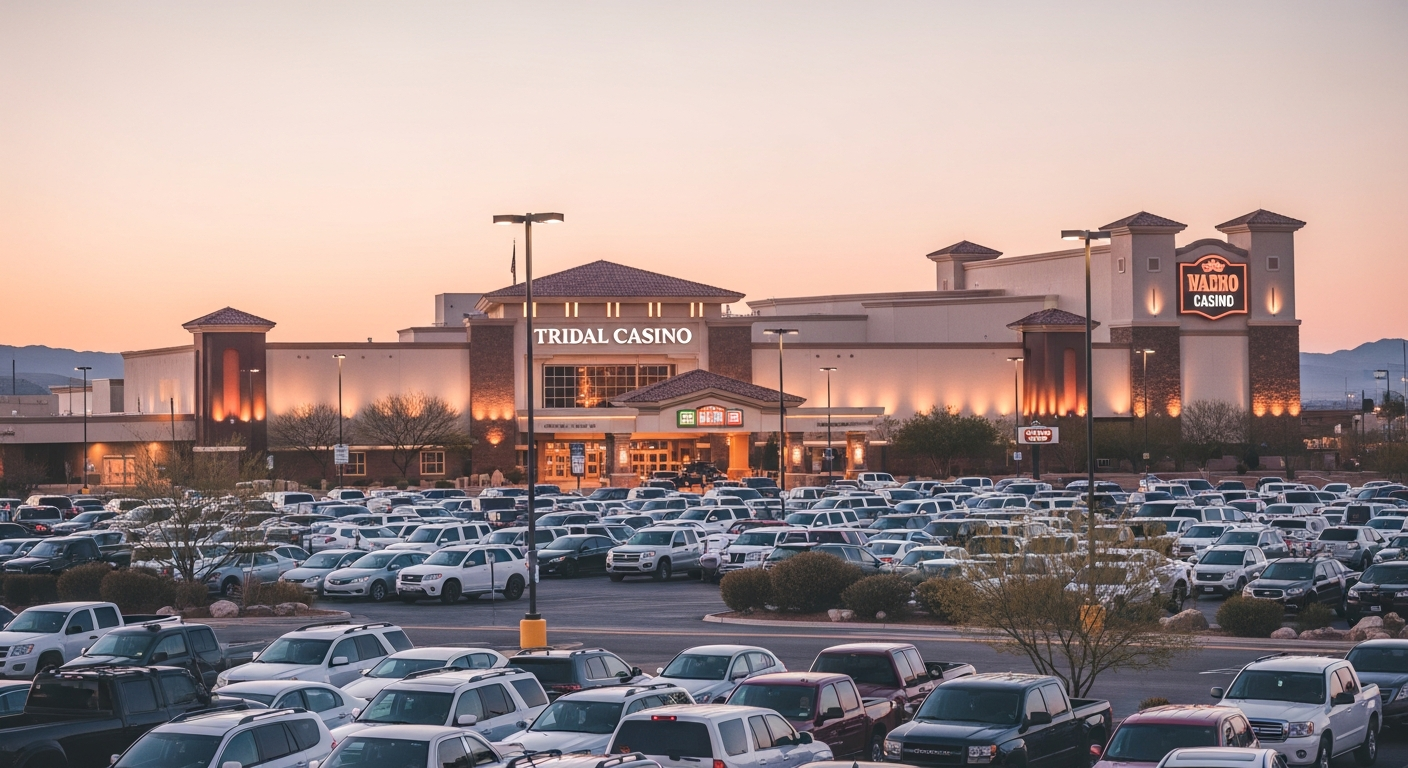
The consequences are tangible. The Iowa Tribe of Oklahoma opened a new Harrah’s-branded casino in Chandler, Oklahoma, this past April to a crowd so large that cars backed up out of the parking lot. “We couldn’t let them in because we were so full,” tribal Chairman Jacob Keyes told the AP. “That’s a direct impact from the Harrah’s name.”
The plan was always to go further than branding. Harrah’s parent company was set to take over day-to-day management of the 175,000-square-foot facility, a practical decision for a tribal government whose staff also handles budgets, healthcare programs, and housing. That management contract, however, requires NIGC certification. Without a chair to sign off, the agreement is stuck.
“It’s discouraging,” Keyes said, according to the AP report. “We’re paying a fee and not getting the full value.”
The tribe’s small government staff is now running a full-scale casino operation alongside their other responsibilities. It is exactly the kind of situation the outsourcing deal was designed to prevent.
The Ripple Effects Across Indian Country
Industry leaders are not treating this as a bureaucratic hiccup. Jonodev Chaudhuri, who chaired the NIGC from 2013 to 2019 and is a citizen of the Muscogee (Creek) Nation, told the AP the situation is deeply concerning. “At this crucial time, the NIGC is operating with one arm tied behind its back. That’s a very precarious position for tribes and Indian gaming.”
In a normal year, the commission issues several enforcement citations covering issues like casinos operating on unauthorized lands, missing financial statements, and misuse of revenues. None of that can happen right now. More alarming to some observers is the inability to force the emergency closure of a facility with a safety violation.
The timing compounds the concern. Tribal operators are increasingly watching online prediction markets, which some see as an emerging competitive threat. Having a functional federal advocate and regulator in Washington matters more, not less, when new pressures are appearing on the horizon.
The NIGC declined an interview request from the AP and responded with a statement saying tribal officials and its field staff are providing “excellent regulation” in spite of the leadership gap.
What Tribes Have at Stake
This is not simply about casino profits. Tribal gambling revenue funds healthcare, housing, education, and other essential services for tribal communities. When the regulatory body overseeing that revenue stream cannot do its full job, the downstream effects touch people well beyond the casino floor.
The NIGC was created in 1988 specifically to regulate casino-style gambling and promote economic development on tribal lands. Thirty-eight years later, the structure that Congress built still depends on a single confirmed appointee to function properly. Right now, that person does not exist, and the industries, communities, and legal frameworks built around that position are left waiting.
Why can't the National Indian Gaming Commission enforce the law right now?
Under federal law, the NIGC's enforcement powers are vested solely in its chairperson. The last chair stepped down in January 2026, and as of August 2026, President Trump has not nominated a replacement, leaving the agency unable to issue citations, approve tribal gaming ordinances, or certify management contracts.
How much revenue does tribal gambling generate?
According to the National Indian Gaming Commission, tribal gambling brought in a record $46 billion in 2025, which is nearly triple the annual casino revenue of Nevada.
What real-world deal is being held up by the leadership vacuum?
The Iowa Tribe of Oklahoma partnered with Harrah's parent company to manage its new casino in Chandler, Oklahoma, but that management agreement cannot be certified without an NIGC chair. The tribe is currently running the 175,000-square-foot facility with its own small government staff instead.
When did the NIGC last take an enforcement action?
According to reporting by the Associated Press, the commission's last enforcement action was issued on January 12, 2026, the same day acting chairperson Sharon Avery's term expired.