
This 3D-Printable Steam Machine Tissue Box Is Wonderfully Weird
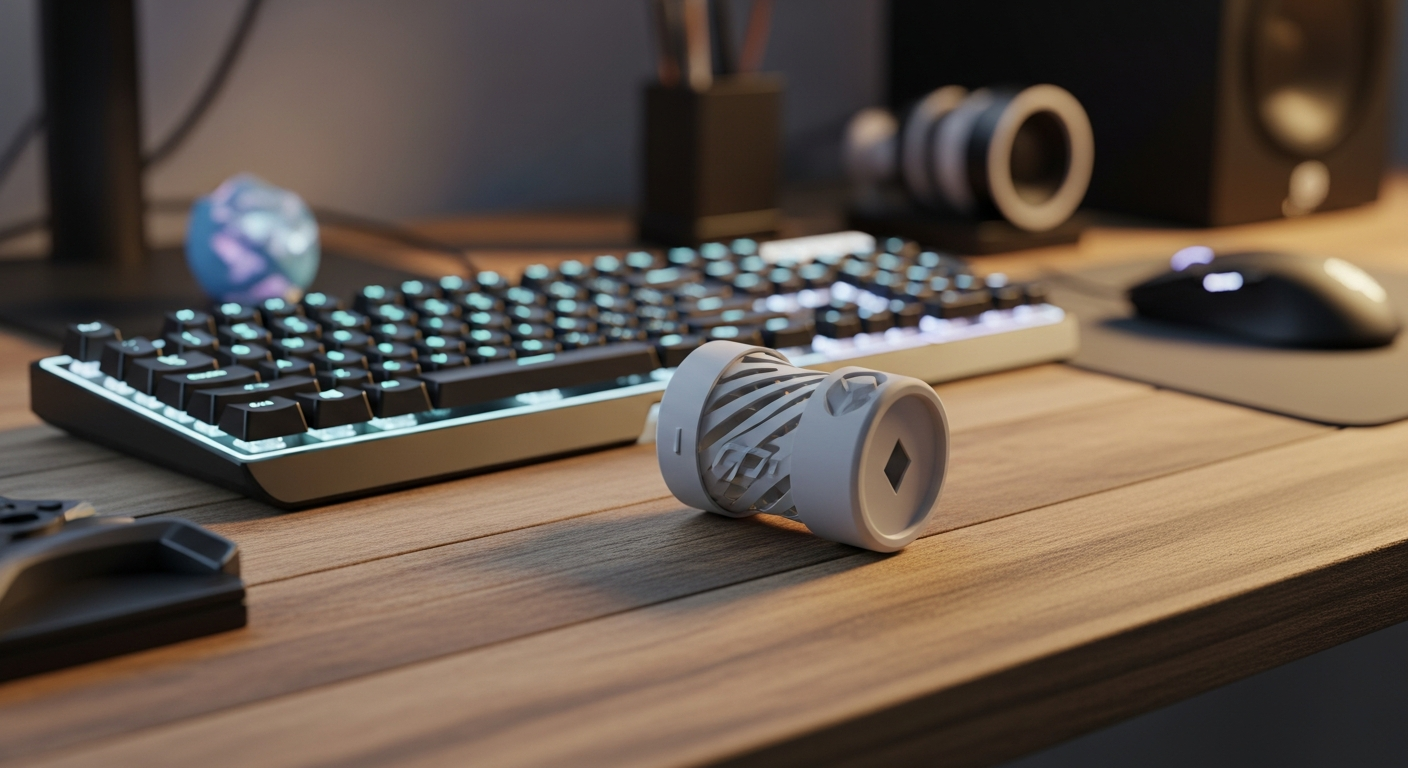
A clever fan design turns the iconic Steam Machine chassis into a tissue box holder you can print at home. It is peak PC gaming desk culture.
A Hardware Relic Gets a Second Life
The Steam Machine never quite conquered the living room the way Valve hoped it would. But the hardware line has a funny way of refusing to stay dead, and the latest evidence comes in the form of something you absolutely did not see coming: a 3D-printable tissue box holder modeled after the Steam Machine chassis.
As reported by PC Gamer, someone took one look at that distinctive cylindrical, vented design and thought, yes, that is where my tissues should live. And honestly? They were right.
The files are available for anyone with access to a 3D printer to download and make their own. It is the kind of project that sits firmly at the intersection of gaming nostalgia and desktop clutter management, which is a surprisingly cozy place to be.
Why the Steam Machine Design Works So Well Here
There is something genuinely fitting about the Steam Machine form factor lending itself to this kind of repurposing. The original hardware had a distinctive, almost sculptural quality to it, with its curved body and ventilation patterns giving it more visual personality than most beige boxes ever managed. That same geometry, it turns out, translates well into a desk accessory.
The tissue box version captures enough of those design cues to be immediately recognizable to anyone who remembers the Steam Machine era. Slap it on your desk next to your keyboard and it reads less like a household item and more like a tiny piece of PC gaming history that also happens to be useful during allergy season.
It is also worth noting how well this fits into the broader DIY PC culture that has always existed around Steam hardware. Valve leaned into open, hackable ecosystems from the start, and fans have returned that energy ever since in the form of custom mods, case designs, and now, apparently, functional desk accessories.
The Ongoing Afterlife of a Discontinued Platform
The Steam Machine lineup was officially discontinued years ago, but Valve’s vision for a Linux-based gaming ecosystem found its second act in the Steam Deck. SteamOS is more relevant today than it has ever been, even if the living room PC dream of 2015 never fully materialized.
Projects like this tissue box are a reminder that hardware can leave a cultural footprint well beyond its commercial lifespan. The Steam Machine did not win the console wars. It did not even really enter them. But it left behind a design language that people still find worth preserving, printing, and placing on their desks in 2026.
There is something a little poignant about that, and a little funny too. You can own a piece of PC gaming history, and it will hold your Kleenex. That feels about right for an era defined by ambitious experiments that did not always pan out but never stopped being interesting to talk about.
For anyone with a 3D printer gathering dust, this seems like a solid weekend project with a decent payoff in both nostalgia and practicality.
What is the Steam Machine tissue box design?
A fan-created 3D-printable model based on the Steam Machine chassis design that functions as a tissue box holder for your desk.
Where can I get the 3D print files for the Steam Machine tissue box?
According to PC Gamer, the files are available for anyone to download and print at home, though you will need access to a 3D printer.
What is a Steam Machine?
Steam Machines were Valve-certified living room PCs running SteamOS, released around 2015. The hardware line was eventually discontinued, but the distinctive design has lived on in fan projects and nostalgia.