Teen dev's $200 joke game hit $1.4M on Steam, then the refunds arrived
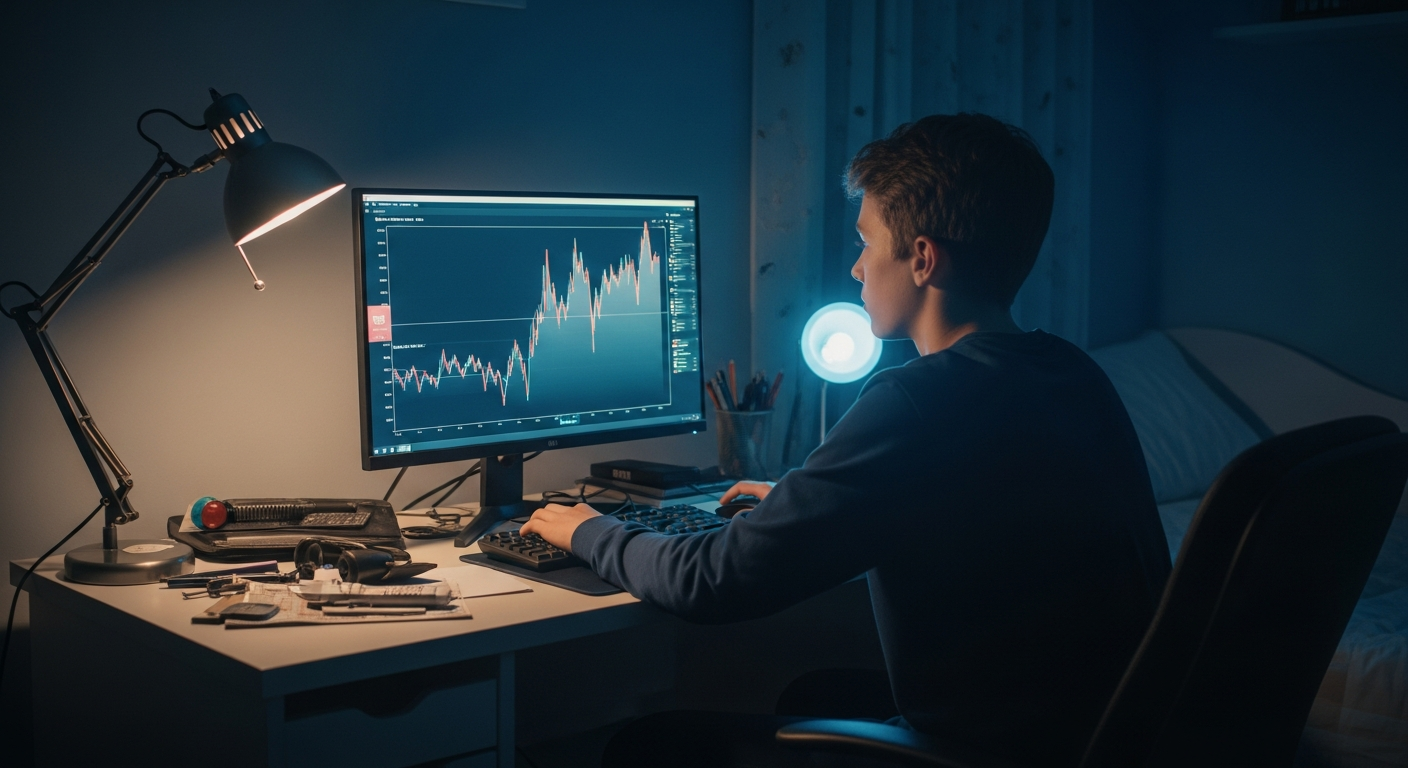
A teenage developer spent $200 making a joke game that nearly cleared $1.4 million in Steam revenue before a wave of refund requests cut deep into those earnings.
A $200 bet that almost paid off big
Somewhere out there, a teenager is sitting with a story that would make most adult developers quietly stare at the ceiling. According to PC Gamer, a young developer made a joke game for just $200, watched it accumulate nearly $1.4 million in Steam revenue, and then saw refunds come pouring in before they could fully cash out. The developer’s own summary of the situation, as quoted by PC Gamer: “I was this close.”
That three-word sentence pretty well covers the emotional arc.
The math of a joke game
Spending $200 on a game and watching it approach seven figures in gross revenue is the kind of story that sounds made up. It isn’t. What the source makes clear is that the game was, from the start, not a serious commercial project in any traditional sense. It was a joke. A bit. The kind of thing you throw on Steam half-expecting nothing and then suddenly it catches a wave, whether through word of mouth, social media curiosity, or the simple magnetism of something intentionally absurd.
Steam has become a reliable venue for exactly this kind of moment. The platform’s sheer size and its discovery algorithm can occasionally turn a throwaway project into a cultural blip. Players buy something because someone they follow laughed at it, or because the screenshots look so deliberately bad that paying a few dollars feels like participating in the joke. For a brief window, that dynamic apparently worked spectacularly in this developer’s favor.
Where the refunds came in
The problem, as PC Gamer reports, is that the refund wave arrived before the developer could lock in those gains. Steam’s refund policy allows players to request their money back within 14 days of purchase if they have fewer than two hours of playtime on record. For a joke game, two hours is a long time. Many players likely got what they came for in twenty minutes or less, which makes the refund window feel almost tailor-made to work against the economics of short-form novelty content.
That tension between viral curiosity and Steam’s consumer-friendly return policy is not a new one. Short games and gag releases have bumped up against this before. But rarely does the scale of the collision look quite like this: nearly $1.4 million gross revenue, a significant portion of which evaporated through refund requests.
The developer’s reaction, that single defeated phrase, captures something genuinely relatable about the whole situation. They did something right. The audience showed up. The numbers were real, at least for a moment. And then the structural reality of how Steam handles short, impulse-buy content reasserted itself.
What this means for other developers watching
For anyone building something small, weird, or intentionally absurd for Steam, this story carries a useful lesson. Virality is not the same as revenue you can keep. A game that rides a social media wave can accumulate enormous gross numbers very quickly, but if the product delivers its entire value proposition in under two hours, the refund math gets uncomfortable fast.
There is also something worth noting about the sheer upside ceiling for low-budget joke games when they connect. The developer spent $200. Even after the refunds, it is a reasonable bet they walked away with more than they started with. The ceiling nearly hit $1.4 million on a two-hundred-dollar investment, which is a return on investment that would make a hedge fund manager ask follow-up questions.
The teenager in question almost had one of the more absurd success stories in recent Steam history. According to PC Gamer, they were, in their own words, this close.
How much did the teenage developer's joke game earn on Steam?
According to PC Gamer, the game made nearly $1.4 million in revenue on Steam before a significant wave of refund requests came in.
How much did the developer spend making the game?
PC Gamer reports the developer spent just $200 making the game.
What happened after the game's initial sales success?
As reported by PC Gamer, refunds came flooding in after the initial surge, cutting substantially into the game's total earnings.