
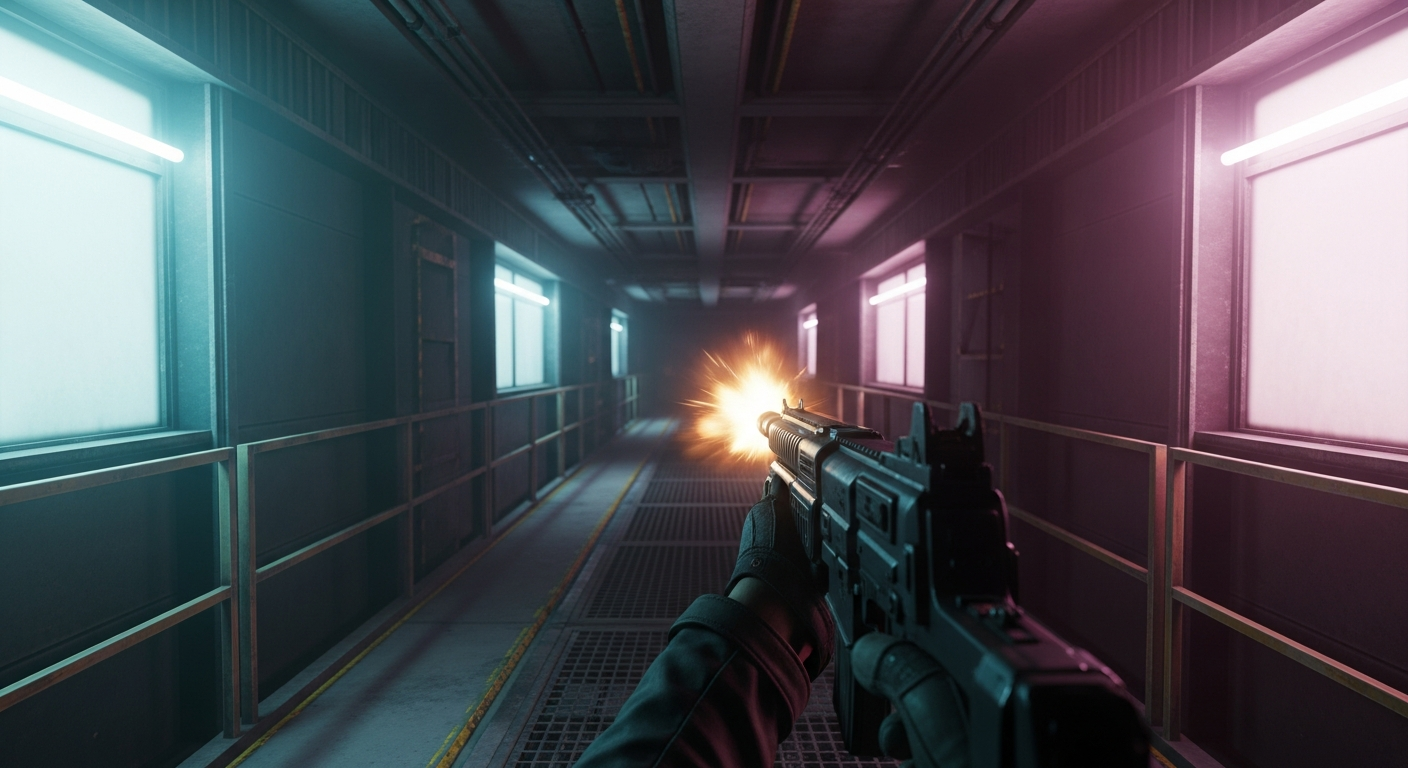
Hardcore FPS rockets to Steam top seller after devs post '10 reasons not to buy it'
The developers of a new hardcore FPS leaned into brutal honesty about their own game, and Steam shoppers apparently loved the candor enough to make it a top seller immediately at launch.
When Honesty Becomes the Best Marketing Strategy
Something funny happened on Steam recently. A new hardcore FPS launched, its developers published a list of ten reasons players probably should not buy it, and then the game immediately climbed to the top of Steam’s best-sellers chart. As reported by PC Gamer, the title became a top seller on the platform essentially right out of the gate, with the developers’ own warnings about the game seemingly doing little to discourage buyers and quite a lot to attract them.
It is a strange loop, and also a very Steam kind of story. The platform has always had a soft spot for games that wear their rough edges openly, and players tend to respond warmly to developers who talk to them like adults rather than running a hype campaign built on carefully managed expectations.
What the Devs Actually Said
According to PC Gamer’s coverage, the developers spelled out ten specific reasons a potential buyer might want to walk away. The full list is not reproduced in the source material, but the framing itself tells you a lot. This is a hardcore FPS, meaning it almost certainly has steep difficulty, deliberate friction, and the kind of punishing design philosophy that makes a certain type of player immediately want to hand over money and another type immediately want to close the tab.
Hardcore shooters occupy a particular niche. They tend to demand patience, mastery, and a willingness to fail repeatedly before anything clicks. That is not a universal selling point. By flagging the potential pain points upfront, the developers effectively pre-sorted their audience, letting enthusiasts self-select in while giving more casual players an honest off-ramp.
The result, based on Steam’s own top-sellers ranking at the time of PC Gamer’s reporting, was a commercial win right out of launch.
Why This Kind of Transparency Connects
There is a running frustration in gaming communities about the gap between how games are marketed and how they actually play. Pre-release trailers get accused of misrepresentation. Store page descriptions talk up features that turn out to be half-baked. Players have grown genuinely skeptical, and that skepticism is earned.
So when a developer shows up and essentially says “here is a list of ways this game might disappoint you,” it hits differently. It reads as trustworthy. Paradoxically, a list of warnings can function as stronger evidence of quality than a highlights reel, because it signals the team knows their own product well enough to describe its limits honestly.
For a hardcore FPS specifically, that kind of credibility matters. The audience skews toward players who have been burned before by games that promised demanding, uncompromising design and then softened things up for accessibility. A developer willing to say “this might not be for you” is implicitly also saying “but if it is for you, we built it properly.”
The Steam Effect
Steam’s top-sellers chart reflects purchase volume, and landing on it in the first hours or days after launch creates a visibility feedback loop. More players see the game, more players buy it, it stays on the chart longer. For an independent or smaller studio releasing a niche hardcore title, that kind of organic momentum is genuinely hard to manufacture through conventional promotion.
As PC Gamer noted, this one got there fast. Whether the momentum holds beyond the launch window is a separate question, but the initial signal is clear enough. Sometimes the most effective thing a developer can put in front of potential buyers is a candid, specific description of what their game actually is, flaws included.
What is the hardcore FPS that became a Steam top seller?
According to PC Gamer, a hardcore FPS game shot to the top of Steam's best-sellers chart shortly after launch, gaining attention partly because its developers published a list of '10 reasons not to buy it.'
Why did the developers list reasons not to buy their own game?
As reported by PC Gamer, the developers appear to have used the self-deprecating, brutally honest marketing approach to set expectations for potential buyers, which paradoxically drove significant interest and sales on Steam.
Did the '10 reasons not to buy it' strategy actually work?
Based on PC Gamer's reporting, yes. The game became a Steam top seller almost immediately after launch, suggesting the transparent, no-hype approach resonated strongly with the PC gaming audience.