John Romero Reveals id Software Paid Taiwanese Pirates to Distribute Doom
At QuakeCon 2026, Doom co-creator John Romero explained how id Software turned unofficial sellers into legitimate distributors by selling them cheap boxes of the shareware release.
A Distribution Strategy Only the Early 90s Could Produce
Most studios spend considerable energy trying to stop pirates from copying their games. In 1993, id Software took a different approach with Doom: it found the biggest pirates it could and asked them if they wanted to go legit, for the right price.
At a QuakeCon 2026 panel, Doom co-creator John Romero laid out the story in refreshingly straightforward terms. The studio had built Doom around a shareware model, meaning the entire first episode was free to copy and hand out. That was by design. Players who wanted the remaining two episodes had to order directly from id Software, but the free episode could travel as far and as fast as anyone was willing to carry it.
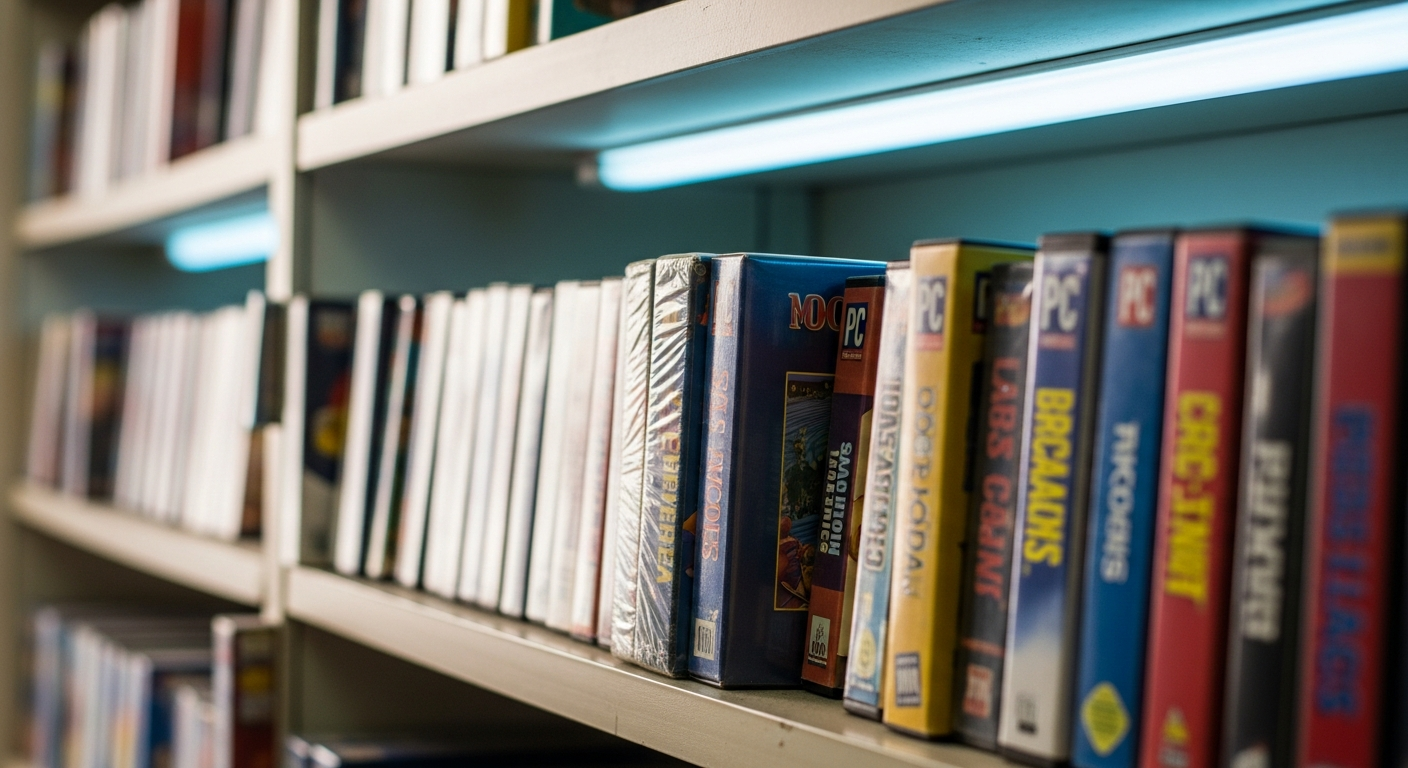
And carry it they did. Unofficial sellers quickly started packaging the shareware episode in their own boxes and putting them on store shelves. According to Romero, as reported by Dexerto, walking into a shop might mean seeing ten different boxes, all containing the exact same free episode of Doom under different unofficial branding.
“It was awesome. We were totally happy with that,” Romero said during the panel.
Taiwan and the Art of Turning a Problem Into a Partnership
The practice was especially widespread in Taiwan, where unofficial game copies were a well-established part of the market at the time. Id Software knew exactly what was happening. “We knew in Taiwan that they were copying it, 100 percent,” Romero explained. “That was the market back then.”
Rather than pursue legal action or try to cut off supply, the studio thought about what it actually wanted, which was more copies of Doom reaching more people. The pirates were already handling distribution. The question was whether id Software could get a piece of it.
The answer was yes. “We contacted the biggest pirates there and went, ‘Can you buy boxes from us? Really cheap; really, really cheap,’” Romero said. “So they bought tons of boxes off of us so it would be legitimate.”
It was a pragmatic solution that fit the moment perfectly. Id Software got paid, the distributors got legal cover, and Doom kept spreading.
Why This Actually Mattered for Gaming
The shareware model itself was already a clever piece of thinking. Releasing a fully playable chunk of a game for free, and letting anyone copy and redistribute it, was a bet that the product was good enough to sell the rest of itself. Doom proved that bet correct in spectacular fashion, helping to define the first-person shooter genre and eventually becoming one of the most influential games ever made.
But the Taiwan story adds another layer. It shows that id Software’s founders, Romero included, understood distribution as a practical problem rather than a moral one. The goal was reach. Official channels, unofficial channels, it mostly did not matter as long as people were playing Doom.
That kind of thinking was unusual for the games industry in 1993, and honestly it still raises eyebrows today. Most publishers reflexively treat piracy as pure loss. Id Software looked at a table full of unofficial boxes in a Taiwanese shop and apparently thought it was awesome.
Romero has been candid about the id Software years in various settings over the decades, but the QuakeCon 2026 panel gave him a chance to put some specific texture on what that era actually looked like from the inside. Loose, improvisational, and remarkably unbothered by the rules everyone else was following.
How did id Software work with pirates to distribute Doom?
According to John Romero at QuakeCon 2026, id Software contacted the biggest pirates in Taiwan and offered to sell them official boxes at very low prices, effectively converting unofficial distribution into a legitimate arrangement.
What was Doom's original distribution model?
Doom used a shareware model when it launched in 1993. The entire first episode could be copied and distributed for free, while players who wanted the remaining two episodes had to order the full game directly from id Software.
When did John Romero discuss this at QuakeCon?
Romero revealed the story during a QuakeCon 2026 panel, as reported by Dexerto.