Chinese Dad Sues Four Gaming Giants for $1.50 Over Son's Addiction
A father in China filed a symbolic lawsuit against Tencent, NetEase, miHoYo, and 37 Interactive Entertainment, arguing their anti-addiction systems failed to protect his son. The case raises pointed questions about how effectively gaming companies enforce China's strict minor-play regulations.
A Lawsuit Worth Less Than a Candy Bar
The dollar amount is almost beside the point. A father in China, identified by his surname Qin, has filed suit against four of the country’s biggest gaming companies, and he is asking for exactly 10 yuan, or about $1.50, in damages. As reported by Dexerto, citing the South China Morning Post, the defendants are Tencent, NetEase, miHoYo, and 37 Interactive Entertainment. The case was filed in Tanghe County, Henan province.
Qin has been straightforward about his intentions. The money is symbolic. What he actually wants is for a court to compel these companies to enforce the anti-addiction rules China already has on the books, rules he believes failed his son entirely.
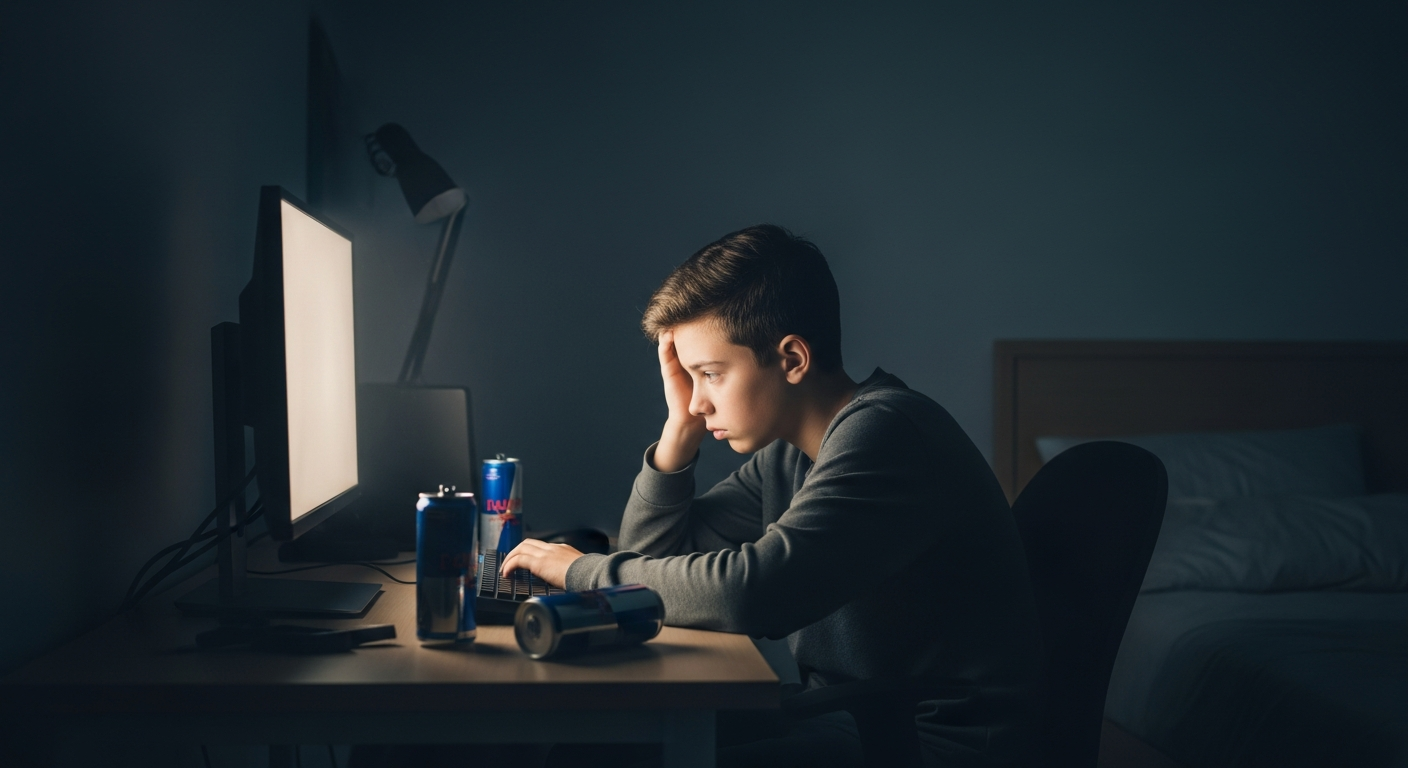
The facts Qin presents are specific and a little haunting. His son spent years playing online games, routinely staying up until 3 or 4 AM on weekends. Data pulled from one gaming account reportedly showed 1,868 hours of playtime since March 2024, which works out to an average of 2.44 hours per day. That number might not sound alarming in isolation, but it represents a sustained pattern that Qin says went unchecked.
Part of the reason it went unchecked, according to Dexerto, is that the teenager registered an account using his adult sister’s identification, sidestepping the very safeguards designed to prevent minors from overplaying.
What China’s Rules Actually Say
China’s gaming restrictions for minors are among the strictest in the world. The country rolled out sweeping regulations in 2021 that limit children to playing online games only between 8 PM and 9 PM on Fridays, weekends, and official holidays. That is, at most, a few hours a week under tightly defined conditions.
On paper, it is a rigorous framework. In practice, Qin’s case illustrates a gap that critics have pointed to since the rules were introduced: the systems rely heavily on identity verification, and when a minor can borrow an adult’s credentials, the whole structure becomes porous.
The companies have not publicly commented on the specific allegations, but several of them challenged the court’s jurisdiction after the case was filed, which caused a scheduled July 6 hearing to be postponed. As of now, no new date has been set.
The Human Cost Behind the Filing
The lawsuit was filed roughly a month after a far more serious event. According to Dexerto, Qin’s son, who turned 18 earlier this year, swallowed 18 fever pills on May 23. He collapsed, was rushed to the hospital, and was diagnosed with drug poisoning. He recovered.
The teenager has not told his family why he did it. Qin believes the incident may be connected to his son’s gaming habits, though Dexerto notes that connection has not been confirmed. That uncertainty matters. Qin is not claiming, as far as the reporting shows, that video games directly caused his son’s hospitalization. He is arguing that a pattern of unchecked, sleep-disrupting, rule-violating gameplay took a toll, and that the companies whose products drove that pattern bear some responsibility.
It is a nuanced distinction that tends to get lost whenever gaming and mental health intersect in the news. The conversation often collapses into either full-throated moral panic or reflexive defense of the medium. What Qin seems to be asking for is something narrower and more practical: that companies actually do what the law already requires them to do.
Whether a Chinese court will see it that way, and whether any of the four defendants will ultimately face consequences beyond a jurisdictional dispute, remains to be seen. The $1.50 was never the point. The question of who bears responsibility when safeguards fail probably is.
How much money is the father in China suing for?
According to Dexerto, citing the South China Morning Post, the father identified as Qin is seeking just 10 yuan, roughly $1.50 in compensation. He has stated the lawsuit is not about the money but about forcing gaming companies to properly enforce anti-addiction rules for minors.
Which gaming companies are named in the Chinese addiction lawsuit?
The lawsuit names four major gaming companies: Tencent, NetEase, miHoYo, and 37 Interactive Entertainment. The case was filed in Tanghe County, Henan province, according to reporting by Dexerto.
What are China's current rules on minors playing video games?
As reported by Dexerto, China introduced strict limits on gaming for minors in 2021. Under those regulations, children are only permitted to play online games between 8 AM and 9 PM on Fridays, weekends, and official holidays.
How did the teenager bypass gaming restrictions?
According to Dexerto, the teenager allegedly bypassed minor-play restrictions by registering a gaming account using his adult sister's identification, allowing him to play without triggering the safeguards designed for underage users.